

1
Jan
How to Choose the Right Hydraulic Power Pack for Your Application
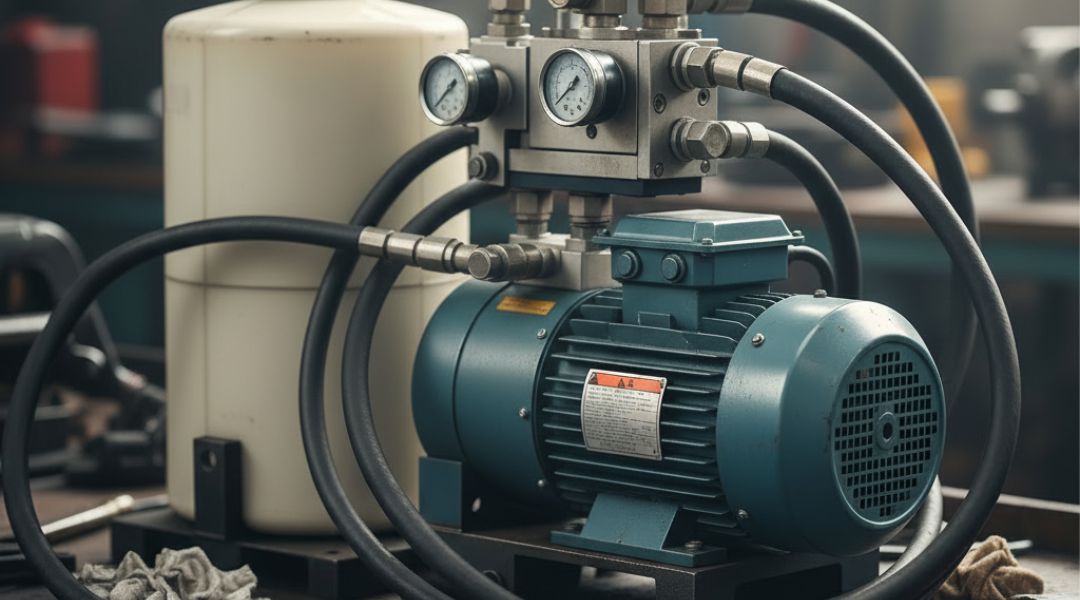
A hydraulic power pack is the driving force behind any hydraulic system. Selecting the right hydraulic power pack is essential for achieving efficient performance, long service life, and safe operation. Choosing the wrong unit can result in power loss, overheating, frequent maintenance, and reduced productivity.emper.
This guide explains the key factors you should consider when selecting the right hydraulic power unit for your industrial or commercial application.
1. Understand Your Application Requirements
The first step in selecting a hydraulic power pack is understanding your application. Different systems such as hydraulic presses, material handling equipment, lifts, and automation machines have unique operating demands.
2. Operating Pressure Requirement
Operating pressure determines the force output of the system. Hydraulic power packs are commonly designed for low, medium, or high-pressure applications.
- Low pressure: up to 100 bar
- Medium pressure: 100 to 250 bar
- High pressure: up to 350 bar or higher
3. Flow Rate (LPM)
Flow rate defines the speed of hydraulic actuators. Selecting the correct flow rate ensures smooth and efficient operation without energy wastage.
4. Motor Power and Electrical Supply
The motor size depends on required pressure, flow rate, and available power supply. Power packs can be designed with single-phase or three-phase motors, depending on site conditions.
5. Hydraulic Pump Selection
Pumps play a crucial role in hydraulic power packs. Gear pumps, vane pumps, and piston pumps are selected based on pressure, efficiency, noise level, and duty cycle.
6. Oil Tank (Reservoir) Capacity
The hydraulic oil tank helps cool the oil and remove contaminants. A well-sized tank improves system reliability and performance.
7. Control System and Valves
Hydraulic power packs can be controlled using manual valves, solenoid valves, or PLC-based automation systems depending on the level of control required.
8. Cooling and Filtration
Proper filtration and cooling systems protect hydraulic components from contamination and overheating, extending system life.
9. Mounting and Space Constraints
Power packs can be floor-mounted or skid-mounted. Compact designs are ideal where installation space is limited.
10. Environmental and Safety Conditions
Environmental conditions such as temperature, dust, and moisture must be considered while designing a hydraulic power pack to ensure safe and reliable operation.
Conclusion
Selecting the right hydraulic power pack requires careful evaluation of pressure, flow, motor power, control system, and application needs. A well-designed power pack improves efficiency, reduces downtime, and lowers maintenance costs.
Shree Laxmi Engineering & Services specializes in manufacturing custom hydraulic power packs designed to meet exact application requirements with high-quality components and reliable performance.
